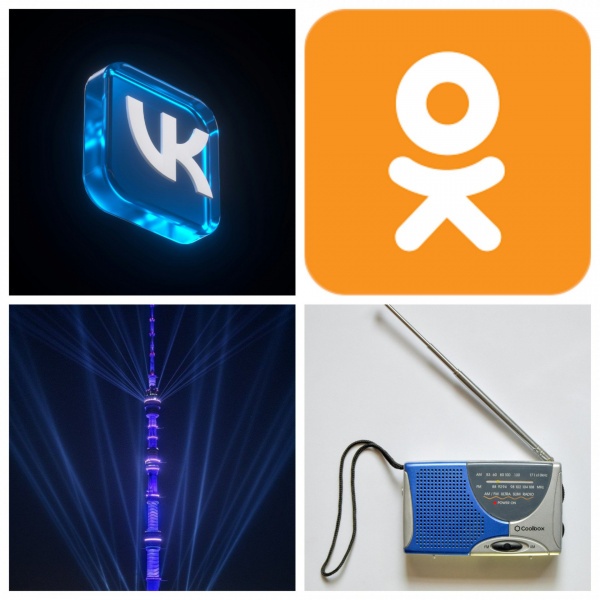
Media landscape in Russia is diverse and multifaceted, encompassing television, radio, print publications, online resources, and social networks. Each segment plays a role in shaping public opinion and informing citizens.
Television
Television channels in Russia are represented by state-owned and private companies. State-run TV channels such as Channel One, Rossiya-1, NTV exert considerable influence on public opinion due to their broad audience reach. Private TV channels like TNT, STS provide variety in content, including entertainment shows, series, and films.
Radio
Radio stations vary from news and information channels to musical ones. Stations like Ekho Moskvy ("Echo of Moscow"), Biznes FM offer analytical programs and discussions on current events. Musical stations like Evropa Plyus ("Europe Plus"), Retro FM cater to a wide range of listeners.
Print Media
Newspapers and magazines remain important sources of information despite declining popularity due to internet development. Prominent newspapers like Kommersant, Izvestia, Rossiyskaya Gazeta publish news, analysis, and expert commentary. Magazines like Ogonyok, Expert offer deep insights into economic and political issues.
Online Media
The Internet has become the primary source of news and information for most Russians. News portals like RIA Novosti, TASS, Interfax deliver timely coverage of domestic and foreign events. Social networks like VKontakte, Odnoklassniki play a crucial role in disseminating information and forming public opinion.
Regulation and Censorship
State regulation of media environment occurs through laws and regulations aimed at protecting national security and public interests. Some media outlets face criticism for biased reporting or limitations on freedom of speech. However, independent resources exist that provide alternative perspectives.
Future Prospects
Russia's future media landscape will be shaped further by digital technology advancements and increased importance of social networks. Maintaining balance between free expression and responsibility towards society remains critical, ensuring access to objective and reliable information.

1. Partner search – see the former partners’ list https://torussiawithease.ru/former-partners/
2. The special offers for Travel, Healthcare & Transport sectors. Please, contact us for details.
3. Publication in our edition:
Publication & Advertising (Budget-Friendly Options): Choose your own advertising duration and mix-and-match platforms:
- Placement Option, Price / Month, Flexible Benefits Included:
- Maximum (Home Page + Articles) - 50,000 RUB, run a banner in our business services section on the home page + get 2 PR articles published monthly in the business section.
- Focus (Articles Only): 25,000 RUB, case study or/and company review in our business section written by your or our editorial teams is included.
- Micro-Format (Trial Placement): 10,000 RUB, publish a short business card/listing in our business section.
Progressive Discount & Bonus System:
3 Months: 8% discount.
6 Months: 15% discount + 1 pinned article featured at the bottom of the business section for free.
12 Months: 30% discount + free quarterly content updates and refreshes.
4. We are also looking for a Strategic Sponsorship & Partnership; Custom Tailored: Conditions and sponsorship packages are built individually around "To Russia with ease" specific KPIs.
127276, Russia, Moscow, Marfino district, Bol'shaya Marfinskaya st., 4/7
Email info@torussiawithease.ru
Cell tel. +7 916 815 88 55 Telegram, MAX
Tel. +7 499 239 23 24
Working hours: Monday through Thursday 10 AM - 7 PM, Friday 10 AM - 5.45 PM